
You work every day, but you only get paid every two weeks (or sometimes, once a month).
For millions of employees, that gap between earning money and receiving their earned pay creates a cash flow crisis. When an unexpected expense lands in the middle of a pay cycle, the waiting game begins.
And waiting is stressful and expensive.
While the traditional payroll cycle is convenient for companies, it can be stressful for employees. Here’s a breakdown of the hidden financial and mental costs of waiting for payday, and why the system is finally starting to change.
The High Price of the “Liquidity Gap”
We all know that a majority of Americans live paycheck to paycheck, but the reality is that a significant percentage of that group actually lives paycheck to a few days before paycheck.
The time between running out of cash and receiving their earned pay is known as the liquidity gap. Bridging this gap is where hidden costs stack up. Even if you earn a decent salary, timing mismatches between bills and income can trigger a domino effect of problems.
1. The Overdraft Trap
Perhaps the most infuriating cost of waiting for a paycheck is the overdraft fee. If an automatic payment hits your account two days before payday, you might be hit with a fee averaging $27 in 2025.
If you buy a $5 coffee and your account is overdrawn, that coffee effectively costs you over $30. For many, this becomes a cycle. Banks rake in billions annually from these fees, often penalizing those who can afford it the least.
2. Late Fees and Penalties
If your rent is due on the 1st, but you get paid on the 5th, you are likely facing a late fee. Landlords, credit card companies, and utility providers all charge premiums for missed deadlines. These fees slowly erode your disposable income simply because your pay schedule doesn’t align with your bill schedule.
3. The Payday Loan Spiral
When the liquidity gap becomes too wide, many turn to high-interest predatory lending. Payday loans are designed to be a quick fix, but the Annual Percentage Rates (APRs) can soar above 600%.
Borrowing $300 to cover groceries until payday can turn into a debt obligation of thousands of dollars if not paid back immediately. This is the ultimate cost of the two-week wait: a cycle of debt to access money you’ve already earned.
The Invisible Cost: Mental Health and Productivity
The costs are both monetary and psychological.
Financial stress is a leading cause of anxiety for employees. When you are worried about whether your debit card will be declined at the grocery store, it is difficult to focus on a spreadsheet or a client meeting.
- Decreased Productivity: Employees stressed about finances are less engaged and more likely to spend work hours dealing with personal financial issues.
- Health Impacts: Chronic stress is linked to physical ailments, leading to higher absenteeism.
The Solution: Bridging the Gap
The traditional pay cycle was invented before the internet, real-time banking, and the gig economy. In a world where we can stream movies instantly and order groceries on demand, waiting two weeks for pay feels increasingly outdated.
This is why On-Demand Pay is gaining traction.
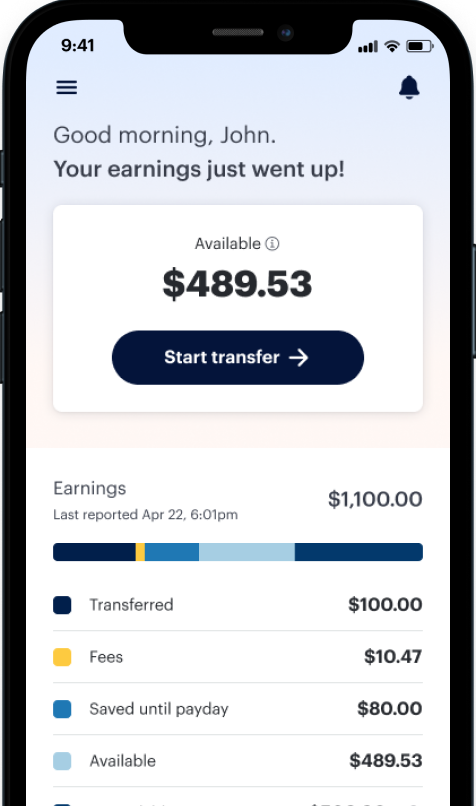
On-Demand Pay allows employees to access a portion of the pay they have already earned before the scheduled payday. It is simply accessing your earned money when you need it. By aligning income with expenses, On-Demand Pay eliminates the need for:
- Predatory loans
- Overdraft protection
- Credit card debt for essentials
Take Control of Your Financial Timeline
The cost of waiting for your paycheck is a penalty that affects millions. By understanding these costs, you can better advocate for financial wellness tools at your workplace.
For employers, offering flexible pay options is a way to give your team an immediate raise by eliminating the fees that eat away at their take-home pay.
Key Takeaways
- Timing matters: Mismatches between income and bills cause unnecessary late fees.
- Fees add up: Overdrafts, penalties, and loans are the high cost of low liquidity.
- There is a better way: Modern financial tools like On-Demand Pay are eliminating the need to wait two weeks for funds.
Your Money, On Your Schedule
Why pay fees when you have already done the work? With DailyPay, you can access your pay on your terms. No hidden fees, no interest, no waiting.