
Holiday deals are everywhere, and that’s by design. Retailers build Black Friday and Cyber Monday to make spending feel urgent, generous, and smart. Plenty of those deals are real. A few common traps, though, can turn a day of savings into a month of regret. Here’s what to watch for.
The “doorbuster” that isn’t a deal
A big red percentage off is easy to trust. Before you buy, check what the item cost over the past few months. Some prices rise in the weeks before the holidays and then drop back to normal in November. A discount from an inflated price is still an inflated price.
Urgency that rushes your decision
Countdown timers, “only 2 left” messages, and flash sales are built to shorten your thinking time. If a deal disappears in an hour, it will probably come back. For anything you hadn’t planned to buy, give yourself 24 hours before you check out.
The fine print on shipping and returns
Free shipping often comes with a minimum purchase, and holiday return windows may be shorter than usual or have different rules for sale items. Read the return policy before you add to your cart, and put the return deadline on your calendar.
Buying now, paying later, all at once
Several small installment plans can each look manageable on their own. Together, they can add up to multiple payments due in the same week, right when January bills arrive. Before you split a purchase into payments, add up every payment you’ll owe between now and the end of January.
Letting sale deadlines dictate your spending
Holiday sales rarely land on payday. If your pay dates and your shopping dates don’t line up, the gap between the two can be the hardest part of the month. Write your pay dates next to the sales you’re planning to shop, and the timing will be clear before you spend.
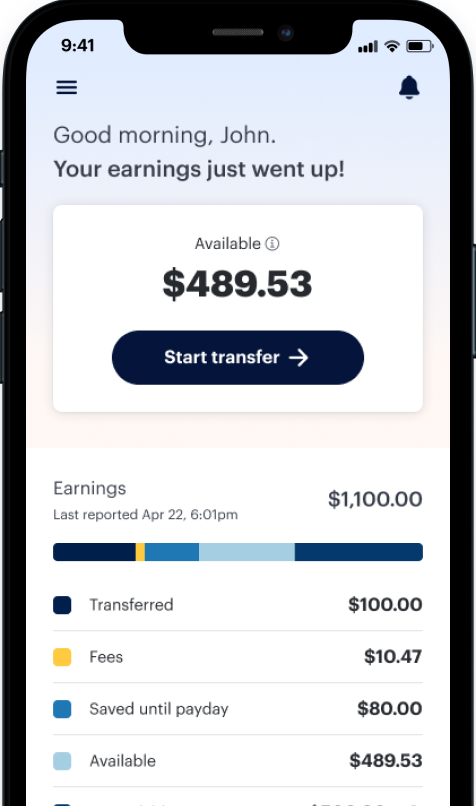
If you use DailyPay’s On-Demand Pay to access earned wages before payday, use it to cover purchases you already planned for, not to stretch your budget further. Access is there when you need it, on your schedule (Fee may apply).
Scams that look like deals
Fake delivery texts, lookalike shopping sites, and urgent “payment failed” emails spike during the holidays. Go directly to a retailer’s website or app instead of clicking links in messages. Never share a login or one-time code with anyone who contacts you first.
Before you check out
Pause, compare prices, read the return policy, and check your pay dates. A little planning turns a good sale into a purchase you’ll still feel good about in January.
Frequently asked questions
-
How much should I set aside for holiday shopping?
Set a total spending limit before any sale starts, based on the money left after rent, bills, and savings are covered. Decide that number while you’re calm, then write down what each planned purchase costs. Anything beyond the limit waits until you’ve reviewed it.
-
What should I do if I want to return a Black Friday purchase?
Start by checking the return deadline in your order confirmation, since holiday windows can be shorter than usual. Keep the receipt, packaging, and tags, and confirm whether sale items follow the same rules. If the deadline is close, start the return right away and save proof of the request in case there are issues.
-
What should I do if I think I’ve been scammed during the holidays?
Contact your bank or card issuer immediately, since fast reporting can help limit losses and support a dispute. Change the password on any affected account, and turn on multi-factor authentication if it isn’t already. Report the scam to the retailer and to the Federal Trade Commission at ReportFraud.ftc.gov. Don’t send more money or share additional codes to “resolve” it.
-
Should I shop on Black Friday or wait for Cyber Monday?
Neither day is automatically better, so compare the specific item you want across retailers instead of choosing a day. Check whether the sale price beats recent prices you’ve seen, and whether the same deal is available on both days. If the price is about the same either way, buying when you’re ready is usually the safer choice.
-
What should I check before agreeing to a buy now, pay later plan?
Check the total cost, including any fees, before you agree to the plan. Confirm every due date, the late-fee policy, and whether missed payments are reported to credit bureaus. Also confirm you can pay off the balance early without penalty. If you can’t see those terms clearly before checkout, consider a different payment option.
All information herein is for educational purposes only and should not be relied upon for any other use. The information herein does not constitute the rendering of financial, business, accounting, securities, tax or legal advice, or other professional advice by DailyPay. No fiduciary obligation or duty exists or is created, between you and DailyPay. DailyPay does not warrant the completeness or accuracy of any information provided to you.
:DailyPay, 2020