Start with the full picture
Write down every holiday cost you can think of: gifts, travel, food, decorations, events, and a little something for yourself. Then look at your pay schedule and mark when money arrives and when bills are due. Seeing both on one page makes it easier to decide what fits and where you might need a cushion.Set a gift budget before you shop
Choose a total amount for gifts, then divide it by the people on your list. Leave a small buffer for last-minute needs. A set amount keeps shopping focused on what matters most.Plan for travel and hosting
Travel and hosting can add up quickly. Compare options, book early when you can, and make a list of what you’d like to provide versus what guests can bring. Splitting a big expense into smaller payments, if that’s an option, can make it easier to fit into your pay periods.Map your costs to your pay schedule
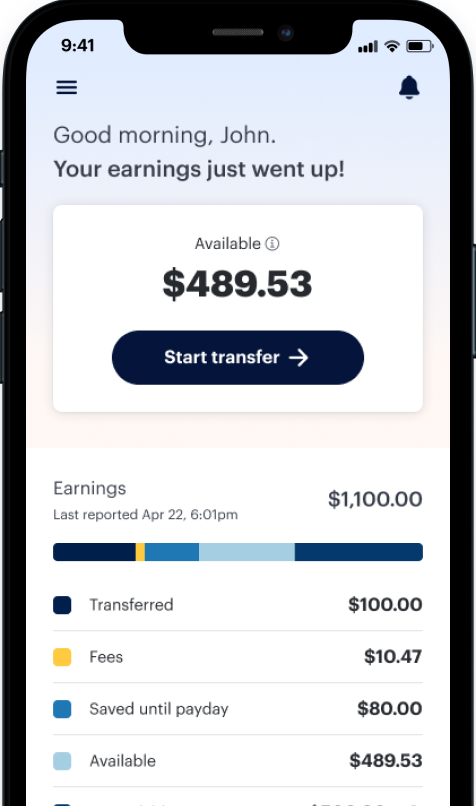
Holiday bills don’t always line up with paydays, but with DailyPay, you can align your earned wages with your holiday bills in just a few taps (Fee may apply). Note which purchases fall in each pay period and plan around larger costs where you can. Keep a small reserve for surprises like a car repair or a forgotten ingredient.Make room for what you enjoy
A good holiday budget leaves space for joy. Set aside money for the things that make the season feel like the season, whether that’s a favorite meal, a night out, or a small treat. Planning for enjoyment makes it easier to stick to the rest of the plan.Look ahead to January
After the holidays, review what you spent and what surprised you. Those notes make next year’s plan easier to build. Over time, small habits like these add up to more confidence and peace of mind. Your holiday plan doesn’t have to be perfect. It just has to work for you. Start with one step today: write down your costs and mark your pay dates. Get greater control over your finances at get.dailypay.com.Help your team plan a calmer holiday season. Holiday costs rarely line up with payday. When employees can plan around their pay dates and access wages they’ve already earned, they can focus on the season instead of the shortfall. That’s a simple benefit for them and a practical one for your business.
All information herein is for educational purposes only and should not be relied upon for any other use. The information herein does not constitute the rendering of financial, business, accounting, securities, tax or legal advice, or other professional advice by DailyPay. No fiduciary obligation or duty exists or is created, between you and DailyPay. DailyPay does not warrant the completeness or accuracy of any information provided to you.
:DailyPay, 2020